


2026 Meteor Showers to Plan For with Best Stargazing Tips

Every year, the night sky offers a spectacular show of meteor showers that captivate skywatchers around the world. The year 2026 promises to be no different, with several notable meteor showers lighting up the sky. Whether you are a seasoned astronomer or a casual stargazer, planning ahead can help you make the most of these cosmic displays. This guide lists the key 2026 meteor showers, explains why Big Bend is an ideal destination for astro-tourism, and shares practical stargazing tips to enhance your experience.

Meteor Showers to Watch in 2026
Meteor showers occur when Earth passes through streams of debris left by comets or asteroids. These particles burn up in our atmosphere, creating bright streaks of light. Here are the major meteor showers to mark on your 2026 calendar:
Quadrantids
Peak: January 3–4
Expected Rate: Up to 100 meteors per hour
Notes: Known for bright fireballs, but a short peak window.
Lyrids
Peak: April 21–22
Expected Rate: Around 20 meteors per hour
Notes: One of the oldest known meteor showers, with occasional bright meteors.
Eta Aquariids
Peak: May 5–6
Expected Rate: Up to 40–50 meteors per hour
Notes: Best viewed from the Southern Hemisphere, though visible in the Northern Hemisphere before dawn.
Perseids
Peak: August 12–13
Expected Rate: Up to 80–100 meteors per hour
Notes: One of the most popular showers, known for bright, fast meteors.
Orionids
Peak: October 20–22
Expected Rate: Around 20 meteors per hour
Notes: Associated with Halley’s Comet and known for bright, fast meteors.
Leonids
Peak: November 17–18
Expected Rate: Around 15 meteors per hour
Notes: Famous for meteor storms every 33 years, though 2026 is a normal year.
Geminids
Peak: December 13–14
Expected Rate: Up to 120 meteors per hour
Notes: Considered the best annual meteor shower, with slow, bright meteors.
These events provide excellent opportunities for astro-photography and awe-inspiring stargazing nights.
Why Big Bend is Perfect for Astro-Tourism
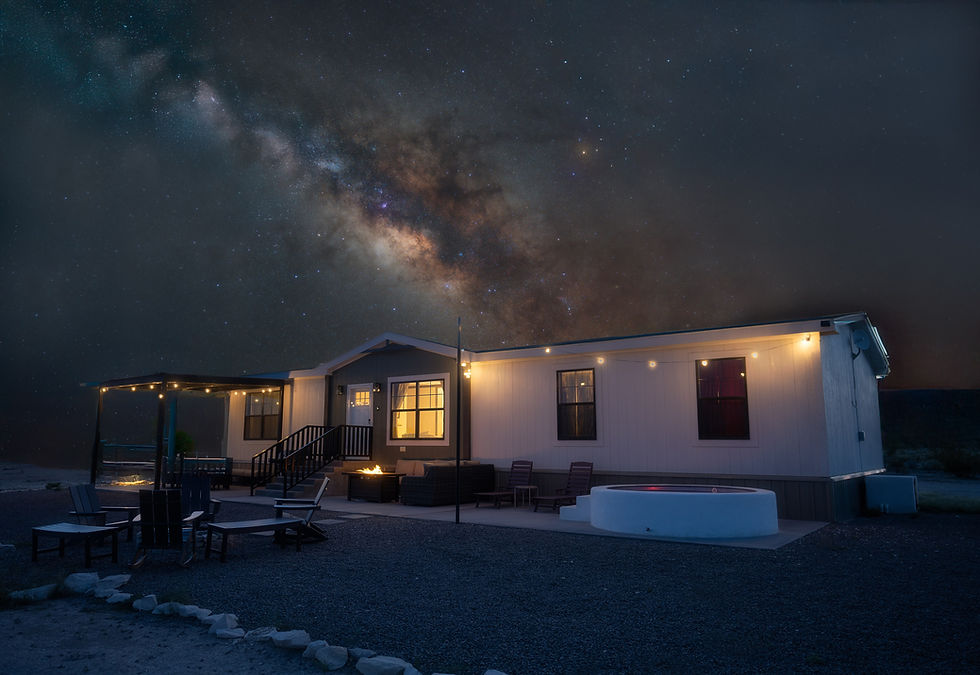
Big Bend National Park in Texas stands out as one of the best places in the United States for stargazing. Its remote location, high elevation, and minimal light pollution create ideal conditions to observe the night sky.
Dark Skies
Big Bend is designated as an International Dark Sky Park. This means artificial light is strictly limited, allowing stars to shine brightly and meteor showers to be seen in full glory.
Clear Skies
The desert climate offers many clear nights throughout the year, reducing cloud cover that can obscure celestial events.
Wide Horizons
The park’s vast open spaces and rugged terrain provide unobstructed views of the horizon, perfect for watching meteor showers and eclipses.
Accessibility
While remote, Big Bend has accommodations that cater to astro-tourists, making it easier to plan a stargazing trip.

StarStruck Glamping: The Ideal Place to Stay
For those planning a trip to Big Bend, StarStruck Glamping offers a unique experience that combines comfort with astronomy. This glamping site provides luxury domes equipped with telescopes, a large bay window for stargazing from bed, and a guided stargazing audio experience included in your stay.
Telescopes on Site
Guests can use high-quality telescopes to get close-up views of planets, star clusters, and the moon.
Guided Audio Experience
The audio guide explains constellations, celestial events, and tips for observing the night sky, making it accessible for beginners and enriching for experts.
Comfort and Convenience
Unlike traditional camping, StarStruck Glamping offers cozy beds, electricity, and private bathrooms, so you can enjoy the stars without sacrificing comfort. The large bay window frames the night sky perfectly from the comfort of your dome.
Ideal Location
Situated within Big Bend’s dark sky area, the site maximizes your chances of seeing meteor showers and other celestial events clearly.

Best Practices for Stargazing
To get the most out of your stargazing experience, follow these practical tips:
Use Red Light
White light ruins night vision. Use a red flashlight or headlamp when necessary to preserve your eyes’ adaptation to darkness.
Allow Time for Your Eyes to Adjust
It takes about 20-30 minutes for your eyes to fully adjust to the dark. Avoid looking at bright screens or lights during this time.
Check Weather and Moon Phase
Clear skies and a new moon or crescent moon phase provide the best visibility. Bright moonlight can wash out faint meteors. Pro Tip: Check the moon's rise/set times.
Dress Warmly and Bring Supplies
Even in summer, desert nights can be chilly. Bring layers, water, and snacks to stay comfortable during long observation sessions.
Use a Star Map or App
A star map or astronomy app helps identify constellations and track meteor showers, enhancing your understanding of the night sky.
Avoid Light Pollution
Stay away from city lights and find a dark spot. Big Bend and places like StarStruck Glamping offer perfect environments for this.
Final Thoughts
2026 Meteor Showers are perfect opportunities to visit the Big Bend & Starstruck Glamping. Plan your stay around a meteor shower for an extra magical experience. A location with minimal to no light pollution, wide open horizons & clear weather will provide the best chance of perfect visibility.
Happy Stargazing!

Comments